Space can be a major constraint on a computer, especially if you are working on your PC every day. The buildup of temporary files (Temp, %Temp%, prefetch) files that can take up a substantial amount of space and thus, slow down your system. Temp files, as they are called, are created for temporary use by your system OS and the applications that you run there. That is, only for the time it needed to exist or perform a task. But, this leaves behind the files.
Recommended: How to clear space on Windows PC
Why Should You Remove Temp file on Windows?
While there can be many other reasons of hard disk space constraint and slowing down of your system, temp files do take up quite a bit of space. Therefore, removing temp files can indeed help boost your system performances sometimes One thing to note here is that the temp file location varies for all systems and as well as for users. However, using the below method, reaching the location and deleting the temp files won’t be a concern.
So, let’s see how to delete the temp files in your Windows 10 or Windows 11 PC.
Solution: Delete Temp files Using the Run Command
Delete Files from Temp folder
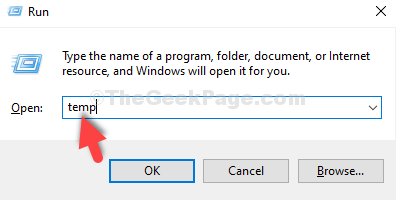
Step 1: Press the Windows key + R together on your keyboard to open the Run command. Now, type temp in the search field and hit Enter.
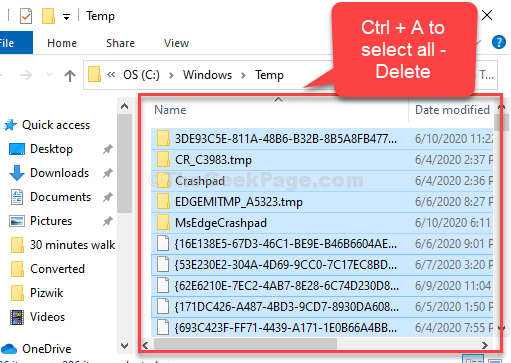
Step 2: It takes you to the temp files location. Press the Ctrl key + A to select the files and hit the Delete button.
Remove Files from %Temp% Folder
Step 3: Press the Windows key + R together to open the Run command once again and, type % temp % in the search field and hit Enter.
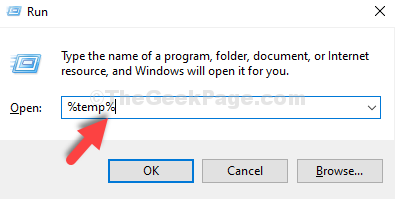
Step 4: It takes you to the Local Temp files location. Press the Ctrl + A keys together on your keyboard and hit the Delete button.

Remove files from the Prefetch Folder
Step 5: Once again, press the Windows key + R together to open the Run command and this time, type prefetch in the search field. Hit Enter.
Step 6: It takes you to the Prefetch files location. Press the Ctrl+A buttons together on your keyboard and hit the Delete button.
Step 7: Now, just make sure that you delete all the deleted temp and prefetch files from the Recycle bin also.
Step 8: So, right-click the Recycle Bin and tap Empty Recycle Bin to clean them up.
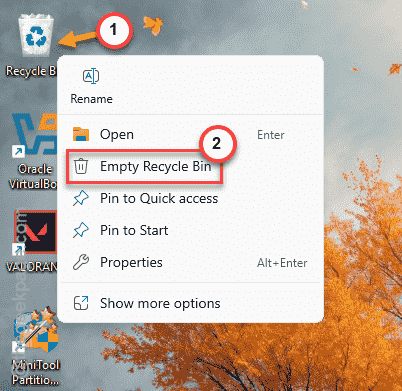
This way, you can easily remove temporary files from your system.
Alternative Solutions –
There are two different easier methods to clearing temporary files from your Windows device.
Alternative Method 1 – Clearing Temporary Files Using Disk Cleanup
Step 1 – Press the Windows+R. Write this there and click OK to load up the Disk Cleanup interface.
cleanmgr
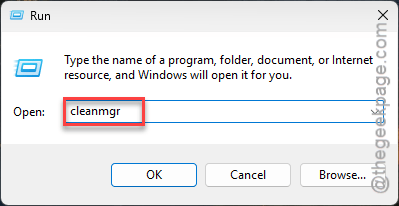
Step 2 – Choose the C: drive or the drive where you have installed Windows. Click OK.
Step 3 – On the Disk Cleanup page, check these boxes –
Recycle Bin
Temprorary files
Temprorary Internet files
Step 4 – Click OK.
(Tip – You may use the Cleanup System Files option to remove unnecessary Windows Update files as well.)
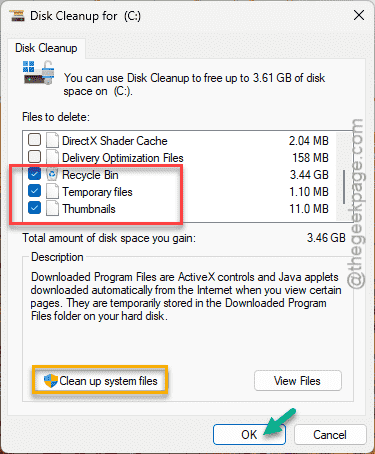
This will start the disk cleaning process on your system and eventually clear out the Temp files.
Alternative Method 2 – Removing Temporary files Using Storage Sense
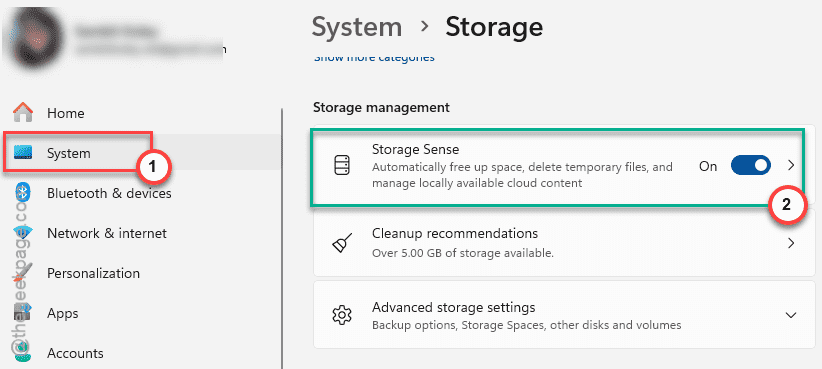
Step 1 – Open Windows Settings, and go to the System Settings.
Step 2 – Next, load up the Storage settings.
Step 3 – In the Storage settings, turn on the Storage Sense. Next, open it up.
Step 4 – Scroll down and tap the Run Storage Sense now option to initiate the cleaning operation on your system.
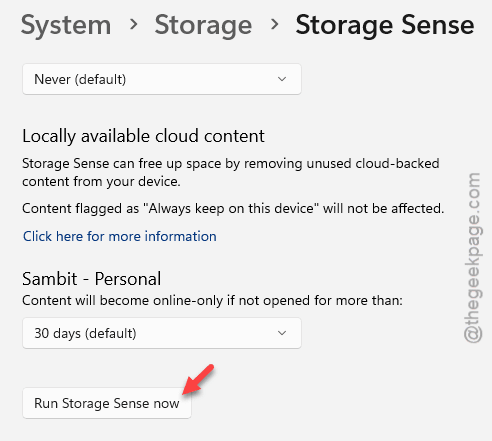
This will clean up all the temporary files from your system.
That’s all! You are done deleting the temp files, and a lot of your system space should be free now.
Nice article very useful
I forget this all, thank you for remembering me.
some file cannot be deleted they say that some file is open in another folder